
When you buy through links on our site, we may receive an affiliate commission- affiliate disclosure.
In the heart of the Pacific Ocean lies an ecological marvel like no other – the Galapagos Islands. These remote volcanic isles hold within their embrace a treasure trove of natural wonders, each one as unique and enchanting as the next. From their volcanic origins to their unparalleled biodiversity, the Galapagos Islands stand as a testament to the ingenuity of evolution and the resilience of life. Let’s embark on an immersive journey to explore the myriad reasons why the Galapagos Islands are so extraordinary.
1. Volcanic Legacy:

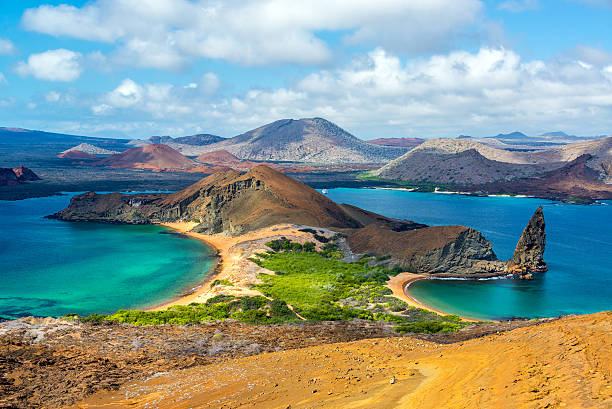
The Galapagos Islands are a living testament to the unique awesome power of geological forces. Formed by a series of volcanic eruptions that began over five million years ago, these islands continue to evolve in the fiery embrace of their volcanic origins. Visitors to the Galapagos can marvel at the diverse landscapes shaped by volcanic activity, from the stark lava fields of Fernandina Island to the lush highlands of Santa Cruz.
Each island in the archipelago tells a unique story of geological evolution. Isabela, the largest of the Galapagos Islands, is crowned by six massive shield volcanoes, including the towering Wolf Volcano, which rises to over 5,000 feet above sea level. Santiago Island boasts otherworldly lava formations, while Bartolome Island offers panoramic views of the iconic Pinnacle Rock, a towering volcanic formation sculpted by millennia of erosion.
2. Evolutionary Showcase:
Renowned as the birthplace of Charles Darwin’s theory of evolution, the Galapagos Islands offer a living laboratory for the study of adaptation and speciation. Darwin’s observations of the islands’ unique flora and fauna during his historic voyage on the HMS Beagle laid the foundation for his revolutionary ideas on natural selection.
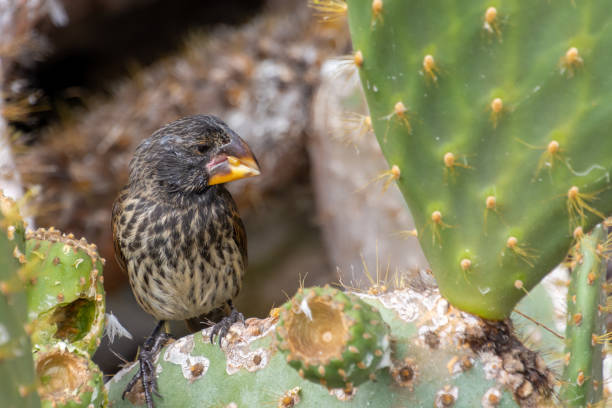
The Galapagos archipelago is characterized by a phenomenon known as “adaptive radiation,” where species diversify rapidly to exploit different ecological niches. This is evident in the iconic Galapagos finches, whose beak shapes have evolved to suit different diets on different islands. Similarly, the giant tortoises of the Galapagos exhibit distinct shell shapes and sizes depending on the island they inhabit, reflecting adaptations to local environmental conditions.
3. Biodiversity Hotspot:

Despite their remote location, the Galapagos Islands harbor an astonishing diversity of life, earning them the title of a UNESCO World Heritage Site. The islands are home to a wealth of endemic species found nowhere else on Earth, making them a living showcase of evolution in action.
From the iconic Galapagos tortoises, which can live for over a century and weigh up to 900 pounds, to the diminutive Galapagos penguins, the only penguin species found north of the equator, the islands boast an array of unique inhabitants. Marine iguanas, often dubbed “Godzilla lizards,” are the only lizards in the world that forage in the sea, while the Galapagos hawk reigns as the islands’ top predator.
The marine environment surrounding the Galapagos Islands is equally rich in biodiversity. The nutrient-rich waters attract an abundance of marine life, including whale sharks, manta rays, and humpback whales. The islands are also a crucial breeding ground for endangered species such as the Galapagos sea lion and the waved albatross.
4. Conservation Triumph:
In the face of mounting threats from human activity and invasive species, the Galapagos Islands have emerged as a unique beacon of conservation success. Rigorous conservation efforts, spearheaded by the Galapagos National Park Directorate and local conservation organizations, have helped safeguard the islands’ fragile ecosystems.
One of the most significant conservation victories in recent years was the successful eradication of invasive species such as goats, rats, and cats from several islands. These invasive predators had decimated native wildlife populations and disrupted fragile ecosystems. Through innovative techniques such as aerial baiting and biological control, conservationists were able to restore balance to the islands’ ecosystems and protect native species from extinction.
Today, the Galapagos Islands are a model of sustainable tourism and environmental stewardship. Strict visitor guidelines and quotas help minimize the impact of tourism on fragile ecosystems, while eco-friendly accommodations and tours promote responsible travel practices. By supporting sustainable tourism initiatives, visitors can contribute to the long-term conservation of the Galapagos Islands and help ensure that future generations will continue to marvel at their natural beauty.
5. Scientific Sanctuary:
For scientists and researchers, the Galapagos Islands offer a veritable treasure trove of research opportunities. The islands’ isolated location and unique ecosystems make them an ideal laboratory for studying evolution, ecology, and conservation biology.
Ongoing research projects in the Galapagos span a wide range of disciplines, from tracking the migratory patterns of sea turtles to studying the impact of climate change on endemic plant species. Scientists also use the islands as a testing ground for innovative conservation strategies, such as the use of drones to monitor wildlife populations and the restoration of degraded habitats.
In recent years, advances in technology have revolutionized our understanding of the Galapagos Islands. Remote sensing techniques allow researchers to map and monitor changes in the islands’ ecosystems with unprecedented accuracy, while genetic analysis provides insights into the evolutionary history of endemic species.
6. Cultural Tapestry:

Beyond its natural splendor, the Galapagos Islands are imbued with a rich tapestry of human history and culture. Indigenous peoples, including the Huarani and the Samba, have inhabited these islands for millennia, their traditions and customs shaped by the rhythms of nature.
The arrival of Spanish colonizers in the 16th century brought profound changes to the Galapagos Islands, including the introduction of new plants, animals, and diseases. Over time, a unique blend of European, indigenous, and African influences emerged, giving rise to the vibrant cultural mosaic that defines Galapagos society today.
Visitors to the Galapagos Islands can experience this rich unique cultural heritage firsthand through interactions with local communities and participation in traditional festivities. From sampling delicious seafood dishes made with locally sourced ingredients to learning about ancient indigenous traditions, the Galapagos offer a wealth of cultural experiences to enrich the traveler’s journey.
Conclusion:
The Galapagos Islands stand as a testament to the boundless wonders of the natural world. From their volcanic landscapes to their unparalleled biodiversity, these islands offer a glimpse into the intricate web of life that sustains our planet. As stewards of this precious ecosystem, it is our collective responsibility to protect and preserve the Galapagos for generations to come. In doing so, we ensure that this enchanted archipelago will continue to inspire wonder and awe for centuries to come.